
Remember when I said on Sunday we were told to stay away from Pastéis de Belém because it was for tourists? Well we had more people tell us we SHOULD go because the Pastéis de Nata are the best and the inside had beautiful tiles. We also learned there was a secret for avoiding the long line we saw on Sunday…all of those folks were in line for the take-away but if you went into the door next to the line, you can get table service. So we hopped on the #728 bus and headed back to Belém.


Our timing was perfect as we were able to score a great table with one of the many fine men of Portugal and an excellent spot for people watching. We each ordered a Belém (you don’t call them nata here), a bola de Berlim (they call them donuts) filled will custard and cappuccino. Wow, were they ever so tasty!

You are able to get a little peek into where the magic happens where each day they produce 35,000 pastéis de nata. The recipe is so secret that only three people on the planet at any given time know the full recipe. If one of those three dies, then another person is tapped to know the recipe.


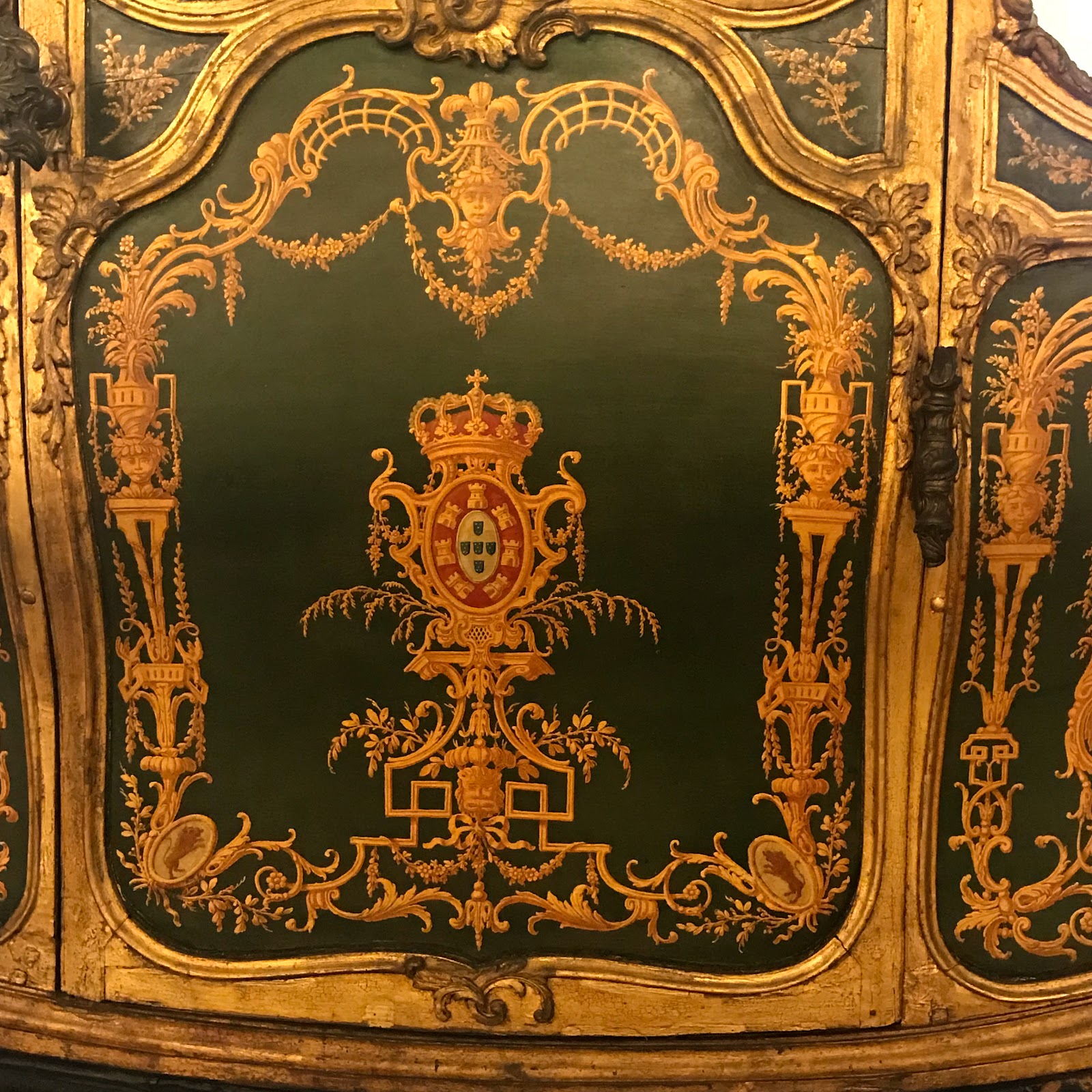
After our morning sugar rush, we thought we might try to visit the Cloisters of the Monastery Jerónimo since we didn’t get in on Sunday. At 10:30am, the queue was already a two hour wait so we decided to forego it and head over to the Museum of Coaches just down the street. The museum houses many of the royal coaches of Portugal and there was a special exhibition on historic fire wagons used in Lisbon.






Our taxi driver on Sunday told us that we must go to Ramiro for seafood because if we don’t, we will cry as it is the best seafood in Lisbon. He told us about taking wife #2 there on a date one time…he’s now on wife #3 who is much younger and tells him he is a crazy man. So off to Ramiro we went for lunch and fortunately we got there at just right time with only a 10 minute wait for a table…not long after we were seated the line was round the block. Ramiro is a popular spot for locals as well as tourists so we were told to get there early for lunch, between 3:00pm-5:00pm or after 9:00pm.
Oh my was the food good! Unlike most places in Lisbon, they provide complimentary bread (warm and buttered) when you sit down…the bread in Portugal has been amazing. We had clams “on” garlic and giant tiger prawn along with a bottle of vinho verde. All around the restaurant they have giant tanks with the seafood and when you order something, they pull it out and show it to you before taking it off to the kitchen. We found the staging area for those yet to make their appearance in the tanks upstairs when we went downstairs to the restroom.


After lunch we did a little walking the neighborhood before heading to the National Museum of Azulejo (tile) as Caroline told us yesterday we really should visit especially after learning the history and painting them ourselves. The museum was quite impressive and she was right that after knowing the history and the work that goes into each tile, we had a whole new appreciation for what we saw.
Today was the day we got to pick up our fired tiles and see the magic of her oven. We were both pleasantly surprised by how our tiles looked. Perhaps in 400 years our tiles will be on display in the National Museum of Azulejo…we won’t hold our breath though! We took a Tuk Tuk from the tile museum to Caroline’s studio as surprise of surprises, it was a steep uphill mile to her place.


We had our final Eatwith in Lisbon tonight with Lelia and what a fabulous time we had! Joining us was a coffee roaster from Canada in town for a conference, Lelia’s aunt and uncle visiting from Brazil as well Lelia’s husband and daughter. They have a townhouse in the Penha Franca area of Lisbon with a fabulous garden where we had cocktails and appetizers. Lelia is a doctor by profession but her passion is cooking and we soon discovered just how talented she is. This was by far the best Eatwith experience we have had (we have loved all the others, except last night, but this one was like a 5 star dinner) to date. She had a beautifully set table with the menu of the night’s meal for us. We compared the meal to the tasting experience we had a Vinum at Graham’s Port Lodge in Porto. The conversation all night flowed so easily with the entire group as we laughed and exchanged stories and learned about life in Portugal as well as Brazil (Lelia is originally from Rio but her parents were from Portugal originally and she moved back in the late 80’s due to the violence in Rio).


After dinner is when the fun really began. A popular after dinner drink in Portugal is Ginja (a liquor of sour cherries) and Lelia makes her own. She brought out the good stuff first which was an interesting decanter and according to Jay (our new friend from Canada) this was the best he had tasted as it wasn’t as sweet and had more spices.


Then she brought out the blend she makes for their supper club which had a little bit of a different flavor. And then it got wilder…she brought out the stuff for those that are “brave”. First we had Jam Bu and the method of drinking Jam Bu is to hold in your mouth for about a minute and then swollen. At this point, you have no feeling in your tongue! And then she brought out the Meu Garoto which is for the really brave. Man did it smell and taste terrible!


Then she brought out the blend she makes for their supper club which had a little bit of a different flavor. And then it got wilder…she brought out the stuff for those that are “brave”. First we had Jam Bu and the method of drinking Jam Bu is to hold in your mouth for about a minute and then swollen. At this point, you have no feeling in your tongue! And then she brought out the Meu Garoto which is for the really brave. Man did it smell and taste terrible!


Finally at midnight we said our good-byes, though I think the party would have continued into the wee early hours of the morning if we did not have to leave due to heading to Sintra tomorrow. What a fabulous evening and one we will not soon forget. Muito Obrigada Lelia!


